

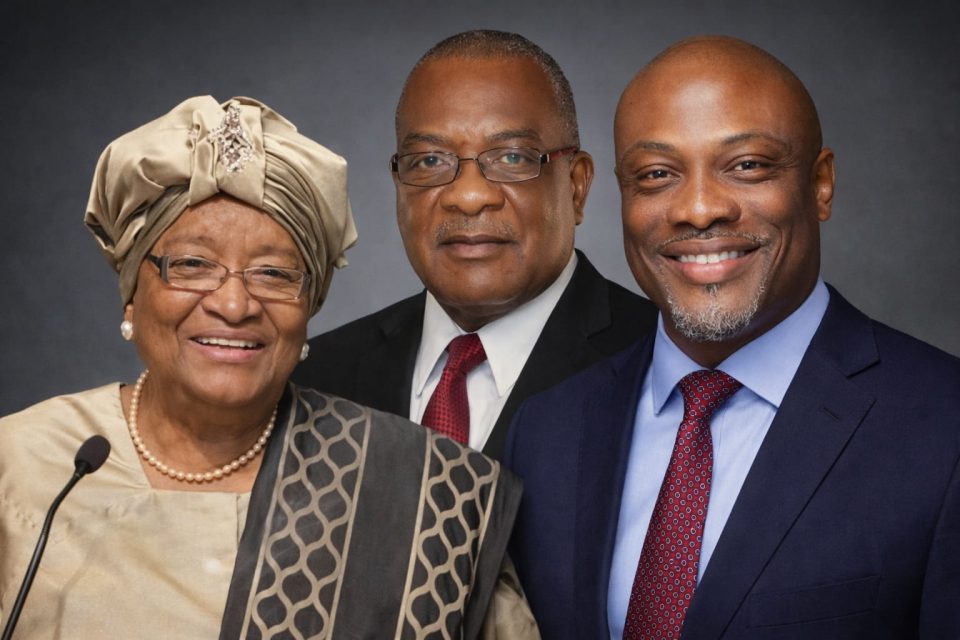
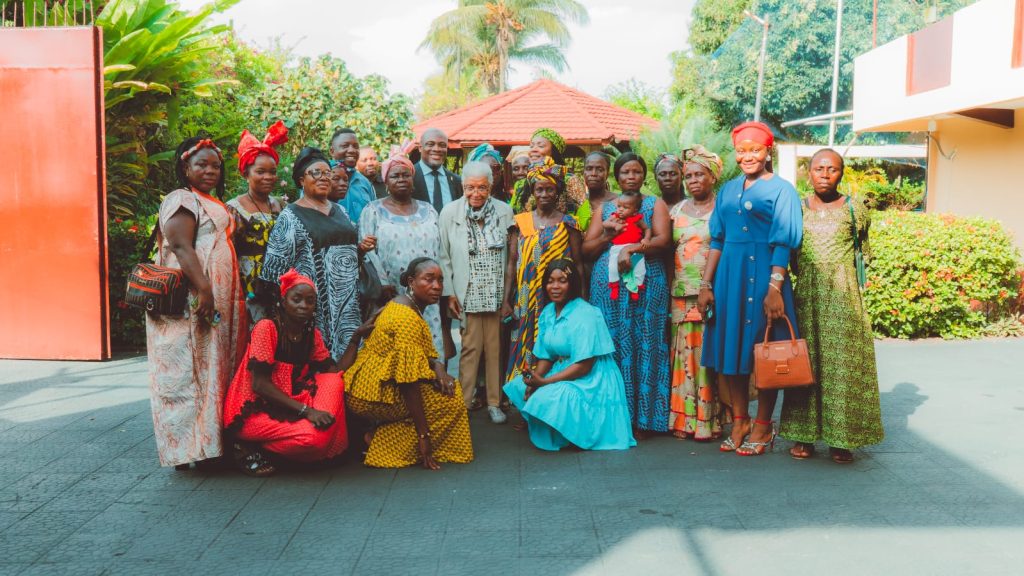
Monrovia, Liberia: – Women from across the five administrative districts of Nimba County Electoral District 9 gathered in celebration of International Women’s Day to honor former Liberian President Ellen Johnson Sirleaf, recognizing her historic leadership and her vision for national development, particularly her proposal to establish Zekepa as Liberia’s future capital city. The event that took place at the home of Former President Johnson-Sirleaf brought together local women stakeholders from across the district.
The event was organized under the leadership of Hon. Taa Z. Wongbe, Representative of Nimba County Electoral District 9 and a member of the ECOWAS Parliament. The gathering brought together women leaders, community members, and local officials from across the district to celebrate women’s leadership while acknowledging Madam Sirleaf’s contributions to Liberia and Africa.
In his remarks, Representative Wongbe praised the late Johnson N. Gwaikolo, former Representative of District 9, for his dedication and leadership when he served the people of the district and Liberia at large.
Rep. Wongbe also recognized the late lawmaker’s widow, Mrs. Gifty Gwaikolo, for what he described as her motherly role in providing moral encouragement and support. According to Rep. Wongbe, the contributions of leaders like the late Representative Gwaikolo helped bring national attention to the development of the county and Liberia.
Responding to the honor, former President Sirleaf praised Rep. Wongbe for his leadership and the late Representative Gwaikolo as a committed and visionary leader who genuinely believed in the development potential of Zekepa.
Speaking to Mrs. Gwaikolo, Rep. Wongbe, the women of District 9, and Liberians at home and abroad, Madam Sirleaf stated that Representative Gwaikolo was among the leaders who strongly supported the proposal for Zekepa to become Liberia’s future capital city.
For the women of Nimba District 9, the International Women’s Day celebration was not only about honoring the legacy of Africa’s first elected female president but also about reminding the nation of a bold development vision that once placed their district at the center of Liberia’s future.
Representative Wongbe encouraged citizens to continue advocating for development initiatives that could one day transform the entire Nimba County Electoral District 9 that is the biggest electoral district in the country by land size.
Investigative Background: The Zekepa Capital Proposal
The idea of relocating Liberia’s capital from Monrovia to a new city in central Liberia gained national attention during the presidency of Ellen Johnson Sirleaf.
In 2012, Sirleaf announced that her administration had begun exploring the possibility of establishing a new capital city in Zekepa, located near the convergence of Nimba, Bong, and Grand Bassa counties. The location was considered strategically central within the country and suitable for long-term national planning.
According to Sirleaf’s 2013 Annual Message to the Legislature, the government had initiated research and planning aimed at determining whether the capital could eventually be relocated to Zekepa. A special task force was established to conduct technical analysis, urban planning studies, and master design concepts for the proposed city.
The proposal was driven by several long-term national concerns, including:
• Rapid population growth in Monrovia
• Poor urban planning and overcrowding
• Flooding and sanitation problems in the coastal capital
• Climate change threats such as rising sea levels that could affect coastal cities in the future
At the time, the government even allocated funding for preliminary surveys related to the Zekepa project as part of early feasibility studies.
Supporters of the proposal argued that building a planned capital city in central Liberia could help decentralize economic activities, promote balanced national development, and reduce pressure on Monrovia’s overstretched infrastructure.
However, the ambitious project required massive financial investment, complex urban planning, and long-term economic commitment. Experts warned that constructing a new capital city would be extremely expensive and technically challenging for Liberia’s national budget.
As a result, while the idea generated national excitement, the Zekepa capital project never moved beyond the early research and planning stage.
Yet the concept remains part of Liberia’s broader national conversation about urban development. Recent debates about flooding and overcrowding in Monrovia have again revived discussions about the possibility of building a new capital city somewhere in central Liberia.
