

The Society for the Conservation of Nature of Liberia (SCNL) has strongly rejected claims made by the Forestry Development Authority (FDA) that the organization has failed to deliver visible development benefits in the Gola-Foya forest landscape.
In a press statement issued on Christmas Day, SCNL described the FDA’s assessment as “unjust” and “misrepresentative” of its 16 years of sustained conservation and community development work in the region.
A Forest of Global Importance
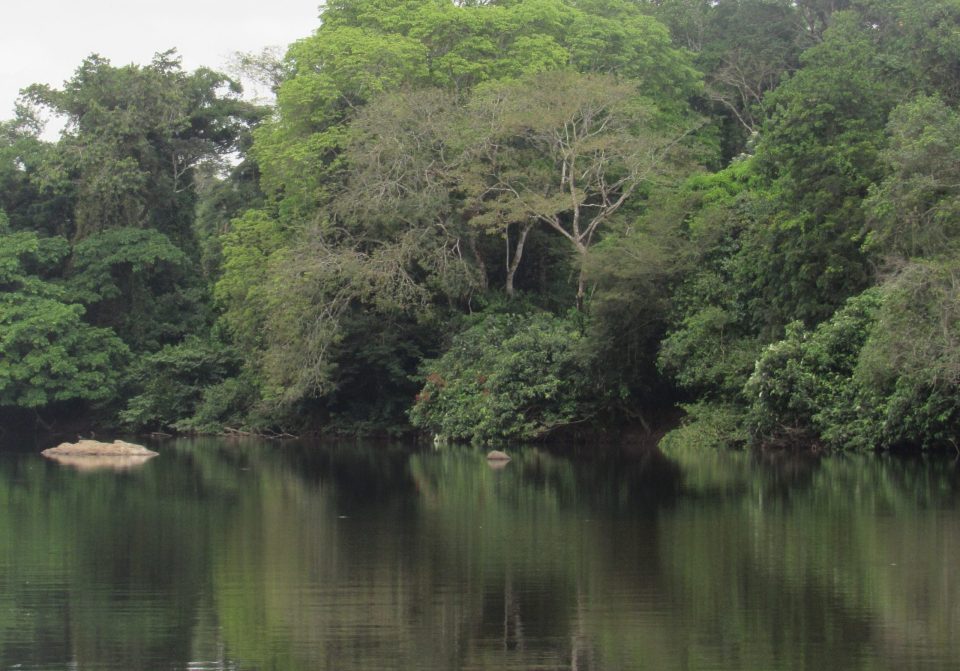
The Gola-Foya forest, part of the Upper Guinea Forest ecosystem, is internationally recognized for its rich biodiversity and role in climate mitigation. Yet, communities in Gbarpolu and Grand Cape Mount Counties continue to face long-standing development challenges, particularly poor road networks that limit access to healthcare, education, and markets.
SCNL acknowledged these pressing issues, stressing that addressing them requires collaborative efforts between government institutions, international partners, and local communities. “Improving road access and basic services in the Gola-Foya landscape necessitates strategic planning, resource mobilization, and partnerships that balance conservation with community development,” the statement noted.
Rejecting FDA’s Claims
SCNL condemned the FDA’s report, which alleged that the organization has produced “no visible development benefits” despite promoting forest conservation. The group argued that such assertions ignore its extensive contributions to both conservation and community welfare.
SCNL Executive Director Michael Garbo speaking in Monrovia[photo: Mark Dahn]
“SCNL has consistently engaged with government entities, local communities, and conservation stakeholders to conserve forests, support community initiatives, and uphold Liberia’s national and global conservation commitments,” the organization stated.
Over the years, SCNL has supported the Government of Liberia to bring more than 230,000 hectares of forest under conservation. The organization has also created jobs for nearly 400 young Liberians, employing them as ecoguards, ecobrigades, mobilization officers, research assistants, and community liaisons.
Beyond conservation, SCNL has invested heavily in local infrastructure and community welfare. It has supplied 60 motorcycles to improve transportation, renovated and electrified six schools and clinics with solar energy, erected 19 hand pumps to provide safe drinking water, and constructed a concrete bridge linking SLC and Kongbor. Additionally, SCNL established a revolving fund worth over 15 million Liberian dollars, giving local women access to loans and economic opportunities.
Collaboration and Respect
SCNL urged the FDA to refrain from unfairly targeting conservation partners, warning that such actions undermine progress and community trust. The organization contrasted its work with the legacy of logging and mining companies, which it said left “open mines, degraded lands, and benefits for few.”
Instead, SCNL called for collaboration rooted in respect, transparency, and shared responsibility. It reminded the Government of Liberia of its obligations under Multilateral Environmental Agreements (MEAs) and the need to sustain gains made by funding partners such as the EU, UN, USA, UK, Sweden, GEF, Norway, and Rainforest Trust.
Concern Over Protected Areas
The statement also raised alarm over the lack of new protected areas in Liberia over the past eight years, including under the current administration. SCNL emphasized that meeting the Government’s 30×30 targets—protecting 30 percent of land and sea areas by 2030—requires urgent action and leadership from agencies like the FDA.
SCNL reaffirmed its passion and commitment to conservation in Liberia, pledging to leverage all available resources to defend its mission while remaining open to constructive dialogue. “We anticipate that management agencies like the FDA will ensure that the Government of Liberia meets its 30×30 targets and does not hinder progress,” the statement concluded.
