

By: Edmund C. Gbarwee, Nimba D-9 TV Public Health Reporter, ceo@onenimbahouse.com nimbad9tv2018@gmail.com +231886693625
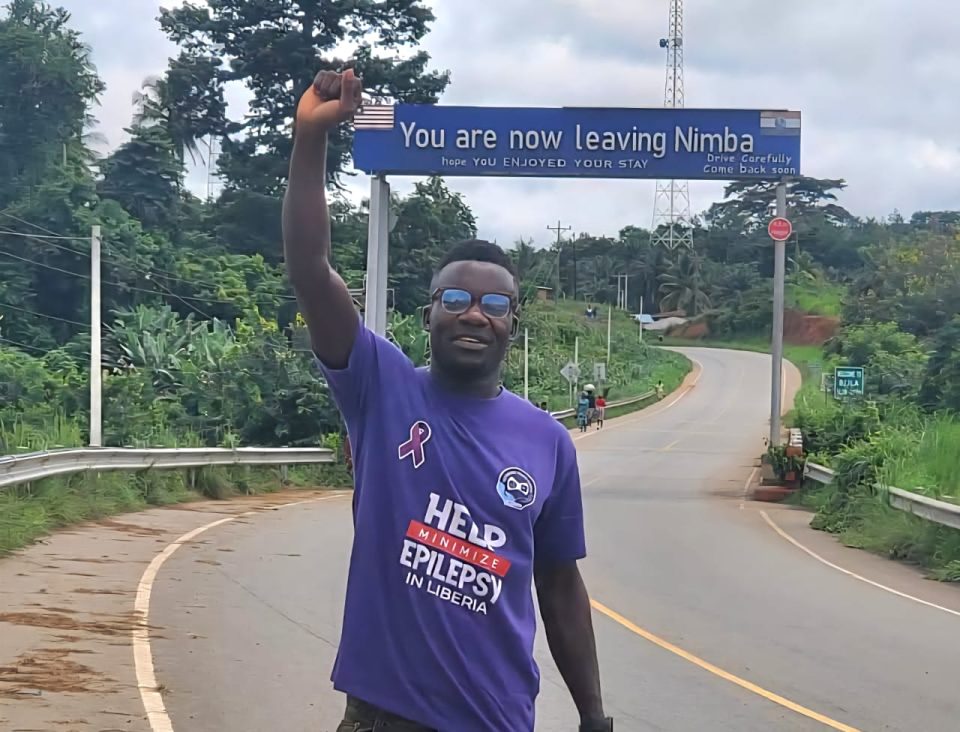
Gblor Diallah, Nimba County – Known to fans for his rock-solid defensive skills and crowd-pulling performances in the Liberia National County Sports Meet, Pascal Harris widely celebrated on social media as Pascal ManoBrazilian Harris Jr., is making headlines for reasons beyond soccer.
The Emerging Liberian Football Star, who has represented both Nimba, Lofa and Margibi Counties in the country’s most prestigious sporting festival, has taken his influence off the pitch to join the fight against epilepsy-related stigma in Liberia. In recognition of his remarkable advocacy, Help Minimize Epilepsy in Liberia (HMEL) has officially named him “Help Minimize Epilepsy in Liberia – HMEL Sports Ambassador.”
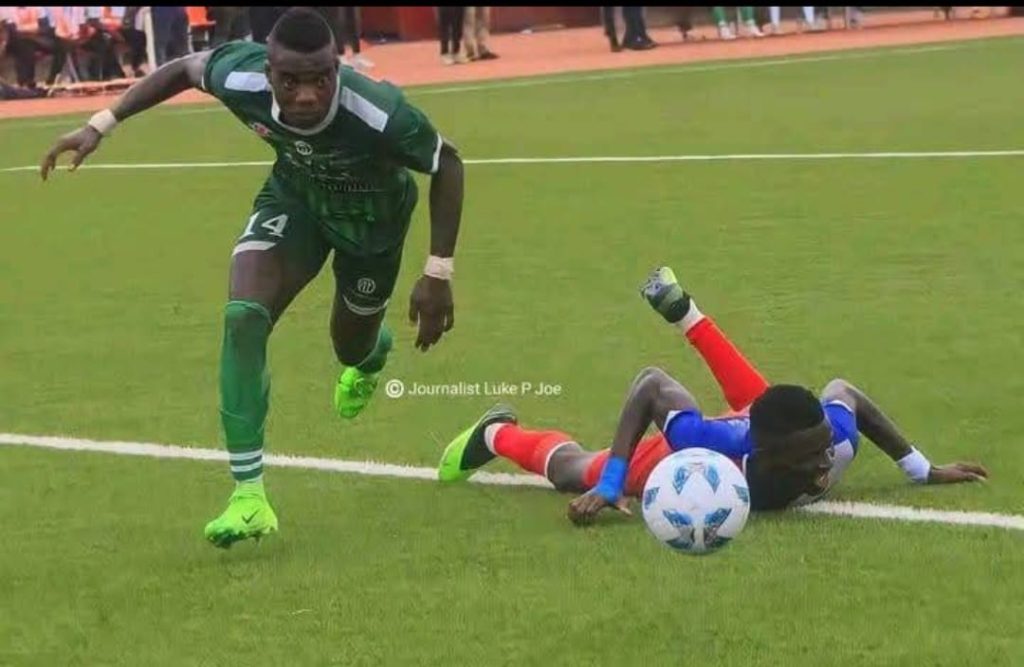
A Defender on and off the Field
For years, Pascal Harris has been admired for his precise tackles, aerial dominance, and calm leadership in high-pressure matches. Whether marshaling the backline for Nimba or bolstering for Lofa and Margibi’s defense, his reputation as a reliable guardian of the goal area has never wavered.
But now, the man football lovers call ManoBrazilian is proving that true defense extends beyond sport, protecting not just goals, but lives, dignity, and hope.

Tackling Stigma: Football Meets Public Health
In Gblor Diallah, Tappita Health District, where myths and misconceptions about epilepsy persist, Pascal has been actively engaging communities under HMEL’s theme:
“BREAK THE SILENCE, END THE SHAME – EPILEPSY IS TREATABLE.” THERE IS STILL HOPE
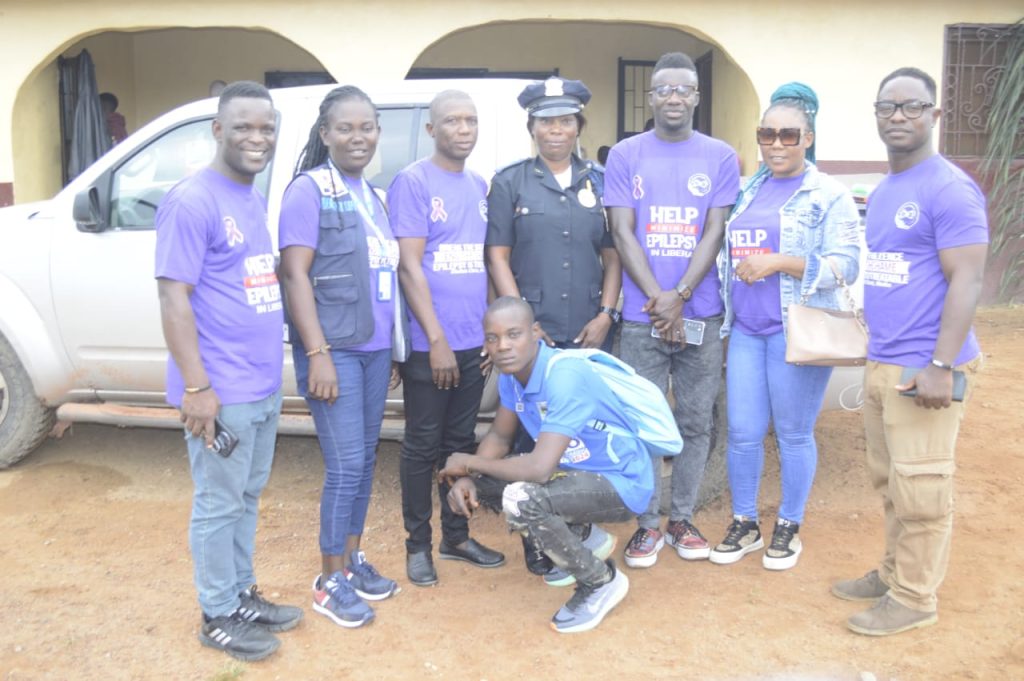
Through community outreach programs, interactive football matches, and public talks, he has been a strong voice in reminding citizens that epilepsy is a medical condition, not witchcraft. His message resonates especially with young people, who see in him a role model blending athletic excellence with civic responsibility.
HMEL’s Strategic Partnership with Sports
Help Minimize Epilepsy in Liberia, a growing local NGO, believes sports figures like Pascal hold a unique key to public health transformation. The appointment of Pascal as HMEL Sports Ambassador signals the organization’s intent to bridge health advocacy and popular culture.
“Pascal’s charisma, discipline, and grassroots connection make him the perfect figure to help dismantle the stigma around epilepsy,” said an HMEL representative. “We are not just fighting a medical challenge; we are fighting misinformation, discrimination, and fear.” Said Madame Antonette Johnson, Liberia Chairperson HMEL Liberia
Community Impact in Nimba
In his new role, Pascal has already participated in several outreach events in Gblor Diallah, where he blends soccer demonstrations with epilepsy awareness messages. Using his star power, he draws crowds for breaking the silence, then shifts the spotlight to healthcare workers and epilepsy lived exprience who share facts, and personal testimonies.
Local residents say the combination of sports and health education has been “eye-opening,” breaking through long-held beliefs and replacing them with understanding and compassion.
Beyond Football Glory
While his football career continues to inspire fans across Liberia, Pascal Harris’s latest chapter proves that a true star shines brightest when lighting the path for others. His story reinforces a growing truth in Liberian sports: that athletic talent, when paired with purpose, can help build healthier, more inclusive communities.

As Pascal himself puts it:
“I’ve defended my teams on the pitch for years. Now I’m defending my people against ignorance. Epilepsy is treatable – and together, we can end the shame.”
About HMEL
Help Minimize Epilepsy in Liberia is a local NGO committed to raising awareness, reducing stigma, and improving access to care for people living with epilepsy. Through education, advocacy, and partnerships, HMEL works to ensure that epilepsy is understood as a medical condition, not a cultural curse.
